III. Technical Parameters
1. High-Purity Graphite
Specifications: Particle size 0.5mm–1μm, carbon content 80–99.99%.
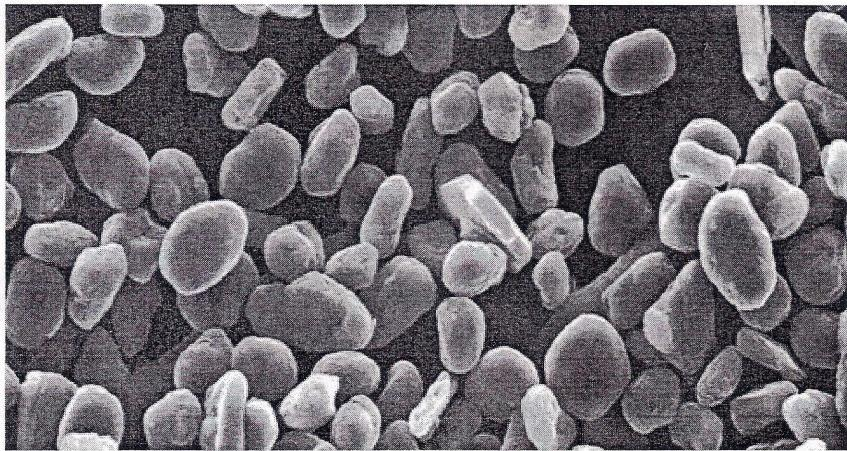
Properties: Complete flake crystallization, thin flakes with excellent toughness, superior physical and chemical properties, including good temperature resistance, self-lubrication, conductivity, thermal shock resistance, and corrosion resistance.
Applications: Widely used in metallurgical industry for high-grade refractory materials and coatings; in military industry for stabilizing pyrotechnic materials; in light industry for pencil leads; in electrical industry for carbon brushes; in battery industry for electrodes; in fertilizer industry as a catalyst additive, etc.
in the military industry, pencil leads in light industry, carbon brushes in the electrical industry, electrodes in the battery industry, and catalyst additives in the fertilizer industry. Through further processing, flake graphite can also be used to produce high-tech products such as graphite emulsion, graphite sealing materials and composites, graphite products, and graphite anti-friction additives, making it an important non-metallic mineral raw material for various industrial sectors.
Translated with DeepL.com (free version)
Model
Technical Indicators
Primary Use
fixed carbon(≥%)
Moisture(≤%)
Residual sieve residue(%)
BT32—99.9
99.90
0.20
≥80.0
Flexible graphite sealing material
BT50—99.9
BT80—99.9
BT200—99.9
BT-100—99.9
≤20.0
Lubricant base
BT-200—99.9
BT-325—99.9
Indicators can be adjusted according to user requirements.
2. High-carbon graphite
|
Model |
Technical Indicators |
Primary Use |
|||
|
fixed carbon (≥%) |
volatile matter (≤%) |
Residual sieve residue (%) |
Moisture (≤%) |
||
|
BT32—99、BT50—99 BT80—99、BT200—99 |
99.00 |
1.00 |
≥75.0 |
0.50 |
Filler |
|
BT-100—99、BT-125—99 BT-200—99、BT-325—99 |
≤20.0 |
Lubricants, base materials, coatings |
|||
|
BT32—98、BT50—98 BT80—98、BT200—98 |
98.00 |
≥75.0 |
|||
|
BT-100—98、BT-125—98 BT-200—98、BT-325—98 |
≤20.0 |
||||
|
BT32—97、BT50—97 BT80—97、BT200—97 |
97.00 |
1.20 |
≥75.0 |
Lubricants, Base Materials, Brushes Coatings |
|
|
BT-100—97、BT-125—97 BT -200—97、BT-325—97 |
≤20.0 |
||||
|
BT32—96、BT50—96 BT80—96、BT200—96 |
96.00 |
≥75.0 |
Refractory materials, electrical carbon products, battery raw materials, pencil raw materials |
||
|
BT-100—96、BT-125—96 BT -200—96、BT-325—96 |
≤20.0 |
||||
|
BT32—95、BT50—95 BT80—95、BT200—95 |
95.00 |
≥75.0 |
Electrical Carbon Products |
||
|
BT-100—95、BT-125-95 BT -200—95、BT-325—95 |
≤20.0 |
Refractory materials, electrical carbon products, battery raw materials, pencil raw materials |
|||
|
BT32—94、BT50—94 BT80—94、BT200—94 |
94.00 |
≥75.0 |
Electrical Carbon Products |
||
|
BT-100—94、BT-125-94 BT -200—94、BT-325—94 |
≤20.0 |
||||
Indicators can be adjusted according to user requirements.
3. Medium-carbon graphite
Model
Technical Indicators
Primary Use
fixed carbon
(≥%)
volatile matter
(≤%)
residual sieve residue
(%)
Moisture
(≤%)
BT32-93、BT50—93 BT80—93、BT200—93
93.00
1.50
≥75.0
1.00
Crucibles, refractory materials, dyes
BT-100—93、BT-125—93
BT -200—93、BT-325-93
≤20.0
BT32—92、BT50—92 BT80—92、BT200—92
92.00
≥75.0
BT-100—92、BT-125-92
BT -200—92、BT-325—92
≤20.0
BT32-91、BT50—91 BT80—91、BT200—91
91.00
≥75.0
BT-100—91、BT-125—91
BT -200—91、BT-325—91
≤20.0
BT32—90、BT50—90 BT80—90、BT200—90
90.00
2.00
≥75.0
Crucibles, refractory materials
BT-100—90、BT-125—90
BT -200—90、BT-325—90
≤20.0
Raw materials for pencils, raw materials for batteries
BT32—89、BT50—89 BT80—89、BT200—89
89.00
≥75.0
Crucibles, refractory materials
BT-100—89、BT-125—89 BT-20089、BT-325-89
≤20.0
Raw materials for pencils, raw materials for batteries
BT32—88、BT50—88 BT80—88、BT200—88
88.00
≥75.0
Crucibles, refractory materials
BT-100—88、BT-125—88
BT-200—88、BT-325—88
≤20.0
Raw materials for pencils, raw materials for batteries
Indicators can be adjusted according to user requirements.
Medium-Carbon Graphite
Model
Technical Indicators
Primary Use
fixed carbon
(≥%)
volatile matter
(≤%)
residual sieve residue
(%)
Moisture
(≤%)
BT32—87、BT50—87 BT80—87、BT200—87
87.00
2.50
≥75.0
1.00
Crucibles, refractory materials
BT-100—87、BT-125—87
BT-200—87、BT-325—87
≤20.0
Casting Coatings
BT32—86、BT50—86 BT80—86、BT200—86
86.00
≥75.0
Refractory materials
BT-100—86、BT-125—86
BT-200—86、BT-325—86
≤20.0
Casting Coatings
BT32—85、BT50—85 BT80—85、BT200—85
85.00
≥75.0
Crucibles, refractory materials
BT-100—85、BT-125—85
BT-200—85、BT-325—85
≤20.0
Casting Coatings
BT32—83、BT50—83 BT80—83、BT200—83
83.00
3.00
≥75.0
Refractory materials
BT-100—83、BT-125—83
BT-200—83、BT-325—83
≤20.0
Casting Coatings
BT32—80、BT50—80 BT80—80、BT200—80
80.00
≥75.0
Refractory materials
BT-100—80、BT-125—80
BT -200—80、BT-325—80
≤20.0
Casting Coatings
Indicators can be adjusted according to user requirements.
Model
Fixed Carbon (%) High
ash content ( % )
Moisture ( % )
Particle size(μm)
Testing Equipment
FS-1
…
0.7
0.5
1★60%
Laser Particle Size Analyzer
FS-2
…
0.7
0.5
270%
FS-4
一
0.7
0.5
3<80%
F-1
一
0.7
0.5
6太60%
F-2
…
1.5
0.5
10<60%
F-3
90
一
0.5
38<95%
Water Sieve
F-4
88
-
0.5
F-5
一
5
0.5
F-6
6
0.5
F-7
…
5
0.5
F-8
一
5
0.5
F-9
一
0.7
0.5
Indicators can be adjusted according to user requirements.
5. Expandable Graphite
Specifications: Particle Size: 32 mesh, 50 mesh, 80 mesh, 100 mesh, 100 mesh-200 mesh, 325 mesh
Expansion Ratio: 100-400 ml/g
Properties: Excellent expandability; finished products exhibit high-temperature resistance, radiation shielding, thermal insulation, lubricity, plasticity, and chemical stability.
Applications: Widely used in steel, metallurgy, petroleum, chemical, machinery, aerospace, nuclear energy, and other industrial sectors.
Expandable Graphite Technical Specifications:
1. Ultra-low sulfur expandable graphite
Specifications
fixed carbon
(%)
ash content
(%)
volatile matter
(%)
Expansion ratio
Sulfur content
(%)
pH value
Moisture
(% )
Particle Size (%) Oversize Material
DL32
90-99.9
≤8.0
≤10
200-400
≤0.03
3-7
≤1.0
≥80
DL50
200-350
DL80
150-250
DL100
100-200
2. Ultra-fine Expandable Graphite
|
Specifications |
fixed carbon (%) |
ash content (%) |
volatile matter (%) |
Expansion ratio |
Sulfur content (%) |
P H Value |
Moisture (%) |
Particle Size (%) Oversize Material |
|
CX-100 |
90-99 |
≤8.0 |
≤15 |
30-120 |
≤2.2 |
4-7 |
≤1.0 |
≥80 |
|
CX-200 |
15-50 |
|||||||
|
CX-325 |
10-20 |
3. Standard Expandable Graphite
Specifications
fixed carbon
(%)
ash content
(%)
volatile matter
(%)
Expansion ratio
Sulfur content(%)
PH
Value
Moisture
(%)
Particle Size (%) Oversize Material
Before expansion
(%)
After expansion
(ppm)
PT32
90-
99.9
≤8.0
≤12
200-400
≤2.2
≤1500
3-7
≤1.0
≥80
PT50
200-350
PT80
150-250
PT100
100-200
Indicators can be adjusted according to user requirements.
6. Graphite for Carbon Brushes
Our company employs specialized processes to develop graphite powder tailored for the carbon brush industry over many years. It features uniform particle size, high lubricity, wear resistance, and low sparking, earning high praise from carbon brush manufacturers.
Varieties: T295 T298 T299 T395 T398 T399
Properties: Excellent lubricity, low trace elements, wear resistance, and minimal sparking.
Applications: Primarily used in various carbon brushes.
Technical Specifications for Carbon Brush Graphite:
Model
fixed carbon≥
(%)
volatile matter≤(%)
Moisture≤
(%)
Particle size
T295
95
1.2
0.3
200 mesh
T298
98
1
0.3
200 mesh
T299
99
1
0.3
200 mesh
T395
95
1.2
0.3
325 mesh
T398
98
1
0.3
325 mesh
T399
99
1
0.3
325 mesh
Specifications can be adjusted according to user requirements
7. Powder Metallurgy Grade Graphite
Our company utilizes premium natural flake graphite, specialized processing equipment, and advanced production techniques to manufacture powder metallurgy-grade graphite powder. This product features uniform particle size, excellent mixability, high-temperature resistance, and enhanced component strength.
Varieties: -399 to -399.9 TF
Properties: Exhibits exceptional oxidation resistance, self-lubrication, and plasticity under high-temperature conditions while increasing component strength.
Technical Specifications for Powder Metallurgy-Grade Graphite:
Model
fixed carbon≥(%)
volatile matter ( % )
Moisture≤(%)
Particle size≥(%)
-399
99
1
0.3
90
-399.9
99.9
0.2
90
TF-1
99
1
0.3
6μm 70
TF-2
99
1
0.3
10μm 70
Indicators can be adjusted according to user requirements.
8. Spherical Graphite
Spherical graphite is produced by subjecting our company's premium natural flake graphite to advanced spheronization processing. It serves as an anode material for lithium-ion batteries with varying purities, characterized by high sphericity and high tapped density.
Variety: BTD-12-40
Performance: Strong chemical stability, high charge/discharge capacity, extended cycle life, and excellent safety performance.
Application: Primarily used in lithium-ion rechargeable batteries.
Technical Specifications for Spherical Graphite
|
Tapped density(g/ cm³) |
Specific surface area (m²/g) |
Particle size (d50) (μm) |
Carbon content (%) |
Moisture (%) |
Charging capacity (mAh/g) |
Coulomb efficiency (%) |
Number of cycles |
|
0.92-1.0 |
4-6.5 |
12~40 |
99.9- 99.99 |
<0.1 |
>360 |
>90 |
≥800 |
Indicators can be adjusted according to user requirements.
9. Forging Graphite Emulsion
Types: MD-2, MD-2A, MD-7, MD-8, MD-12, MD-15
Properties: Excellent lubricity, demolding properties, chemical stability, high-temperature adhesion, extending mold service life and improving forging quality. Environmentally non-polluting and easy to use.
Main Specifications and Physical/Chemical Indicators of Forging Graphite Emulsion:
Variety
Performance and Specifications
Application Examples
Total Solids (%)
Graphite content (%) high
20-fold dilution, 3-hour sedimentation rate
MD-2
28
20
35
Die forging, rough and finish forging of gears, roll forging
MD-3
30
25
Undiluted
Lubrication of the nozzle slide plate during molten steel casting
MD-4
35
25
Undiluted
For the smelting of pure silicon
MD-7
40
25
40
Light Alloy Extrusion Processing
MD-8 -12
30
40
2. Exam
35
40.
Heavy-duty press die forging
MD-10
35
26
Undiluted
Hot extrusion processing of projectiles and casings
MD-15
30
23
35
Hammer forging
Indicators can be adjusted according to user requirements.
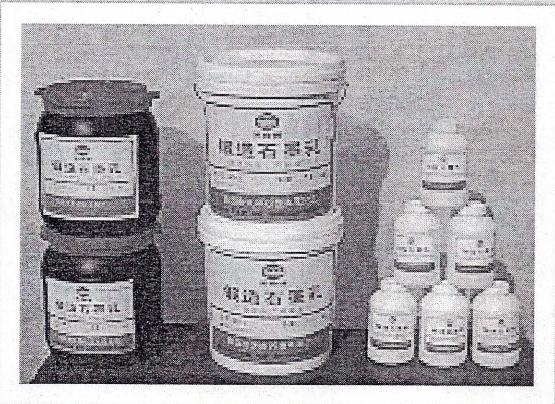
The forged graphite paste produced by our company is black in color and serves as an ideal high-temperature release lubricant for non-ferrous metal hot working. It is widely used in industries such as forging and metal pressing.


Official WeChat